Smoothies are the superheroes of the beverage world, packing a punch of flavor and nutrition in every sip. But not all smoothies are created equal. Some are creamy dreams, while others taste like a garden gone rogue. That’s where the smoothie tasting test comes in. It’s time to put those fruity concoctions to the ultimate taste challenge.
Overview of Smoothie Tasting Test
Smoothie tasting tests evaluate the flavor profiles and qualities of various smoothie recipes. Participants sample multiple smoothies, allowing them to note differences in taste, texture, and overall enjoyment. Each smoothie undergoes assessment based on distinct criteria, such as sweetness, freshness, and creaminess.
Judges often include both experts and casual consumers, ensuring a well-rounded perspective. Expert opinions contribute professional insights, while consumer feedback offers an understanding of preferences. Numbers of participants can range from five to fifty, depending on the event scale.
A scoring system typically grades smoothies on a scale of one to ten, covering factors like appearance, taste, aroma, and mouthfeel. Judges might prefer using descriptive terms for their ratings, further enhancing the evaluative process. Budding smoothie markets often benefit from organized tastings, finding ways to highlight innovative combinations and healthy ingredients.
Recipe variety plays a significant role in the tasting test. Smoothies featuring multiple fruits, vegetables, and superfoods captivate participants. Blends containing coconut water, almond milk, and Greek yogurt often showcase different taste profiles, offering a pleasant sensory experience. The variety encourages experimentation and promotes the discovery of unique combinations.
Ultimately, a smoothie tasting test reveals not only the preferences among smoothies but also trends in smoothie-making. Analyzing feedback helps both consumers and brands refine their recipes and improve overall quality. The process fosters educational opportunities about nutrition and flavor as well, emphasizing the importance of thoughtful ingredient selection.
Preparation for the Test
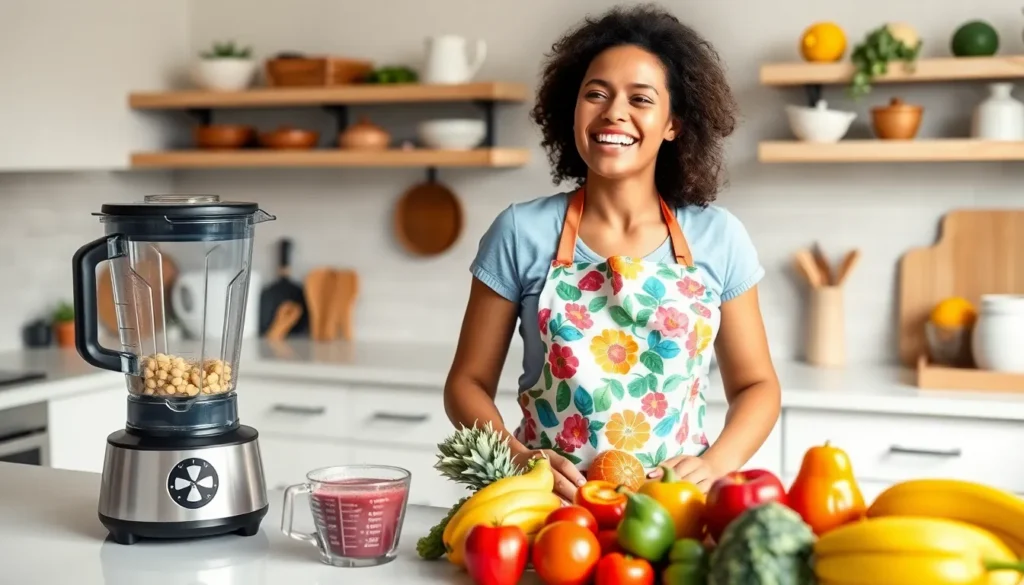
Preparation for the smoothie tasting test involves careful selection of ingredients and proper equipment to ensure the best outcomes.
Selecting Ingredients
Choosing fresh, high-quality ingredients enhances flavor. It’s wise to include a variety of fruits, vegetables, and superfoods. Popular options like bananas, spinach, and berries provide nutrition and taste. Each ingredient contributes to overall texture and sweetness. Seasonal fruits add freshness, while frozen options can improve creaminess. Organizing ingredient combinations promotes creativity in recipes. Experimenting with complementary flavors often leads to the most enjoyable results. It’s crucial to ensure all produce is ripe and clean, ready for blending.
Equipment Needed
Essential equipment includes a high-speed blender for smooth consistency. Multiple blenders offer different features, allowing for diverse blending methods. Measuring cups ensure exact quantities, crucial for maintaining balance in flavors. A tasting bowl facilitates sampling without contamination. Use clear cups for visual appeal, highlighting each smoothie’s color and texture. Sampling spoons enhance the tasting experience, allowing judges to savor each flavor. Proper tools streamline preparation and elevate the overall tasting process.
Conducting the Tasting Test
Smoothie tasting tests require a well-thought-out setup and systematic methodology to ensure fair evaluations.
Setting Up the Tasting Environment
Select a clean, spacious area for the tasting. Natural light enhances the appearance of the smoothies, making them more appealing. Arrange the tasting table to allow easy access to each smoothie. Include proper labels for each serving to avoid confusion during evaluations. Provide necessary tasting supplies such as small cups, spoons, and napkins. Maintain a neutral background to prevent distractions that could influence participants. Ensure all participants feel comfortable and relaxed to encourage honest feedback.
Tasting Methodology
Utilize a structured approach for the tasting procedure. Start by introducing each smoothie and its ingredients. Encourage participants to take small sips, noting distinct flavors and textures. Create a scoring sheet for recording opinions on criteria such as sweetness, creaminess, and aroma. Ask participants to rate each smoothie independently, minimizing bias from group discussions. Collect feedback systematically to analyze preferences accurately. Offer opportunities for participants to reflect on their experiences and adjust their scores if necessary. This methodology fosters a comprehensive understanding of smoothie qualities.
Evaluating Smoothies
Evaluating smoothies involves several key criteria that enhance the overall tasting experience.
Criteria for Evaluation
Taste stands as the primary aspect. Participants assess sweetness, tartness, and flavor balance. Texture also plays a vital role. Creaminess, thickness, and smoothness contribute to the enjoyment of each sip. Aroma impacts initial impressions, where fresh ingredients yield appealing scents. Appearance influences attractiveness, with vibrant colors indicating freshness. Freshness enhances flavor, so the use of seasonal ingredients tugs at taste buds. Participants should consider how well the ingredients work together in harmony, resulting in an enjoyable beverage.
Scoring System
A structured scoring system aids in accurate evaluations. Points range from 1 to 10 for each criterion. Judges assign scores based on their perceptions of taste, texture, aroma, and appearance. Compiling all scores creates an overall ranking of smoothies. This system allows for comparisons among different recipes, highlighting standout qualities and potential areas for improvement. Smoothies that score higher consistently receive feedback from judges. Feedback provides valuable insights into popular flavor combinations, fostering innovation in future recipes.
Conclusion
The smoothie tasting test showcases the delightful diversity of flavors and textures found in these nutritious beverages. By engaging both experts and casual consumers in the evaluation process, it highlights the importance of personal preferences in determining what makes a smoothie truly enjoyable.
Through careful selection of ingredients and a structured tasting methodology, participants gain insights into the art of smoothie-making. The feedback collected not only aids in refining recipes but also encourages creativity in blending flavors.
Ultimately, this tasting experience fosters a deeper appreciation for smoothies while guiding consumers toward healthier and more flavorful choices. The journey of discovery in each sip opens the door to endless possibilities in the world of smoothies.