When it comes to unleashing creativity, nothing beats DIY jewelry for kids. Imagine a world where kids can transform ordinary beads into sparkling masterpieces, all while honing their fine motor skills and boosting their confidence. It’s like giving them a magic wand—without the risk of turning their sibling into a frog!
DIY Jewelry for Kids: An Overview
Creating DIY jewelry provides a fun outlet for kids to express their creativity. Children can use various materials, like beads, strings, and charms, to design unique accessories. These activities cater to children of different ages, making it accessible for both younger and older kids.
Engaging in jewelry-making enhances fine motor skills as kids thread beads and manipulate small components. This process encourages patience and focus, qualities that are beneficial in other areas of life. Additionally, successfully completing a project instills a sense of accomplishment.
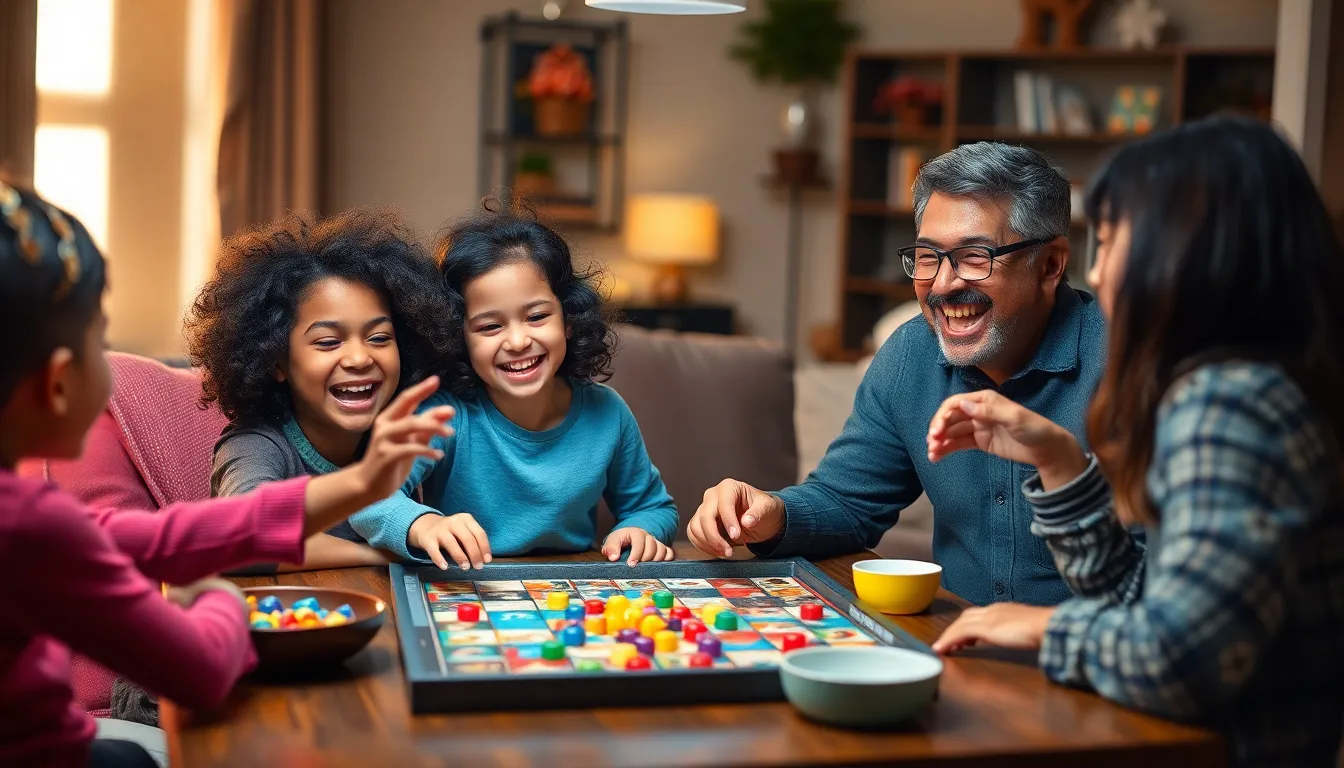
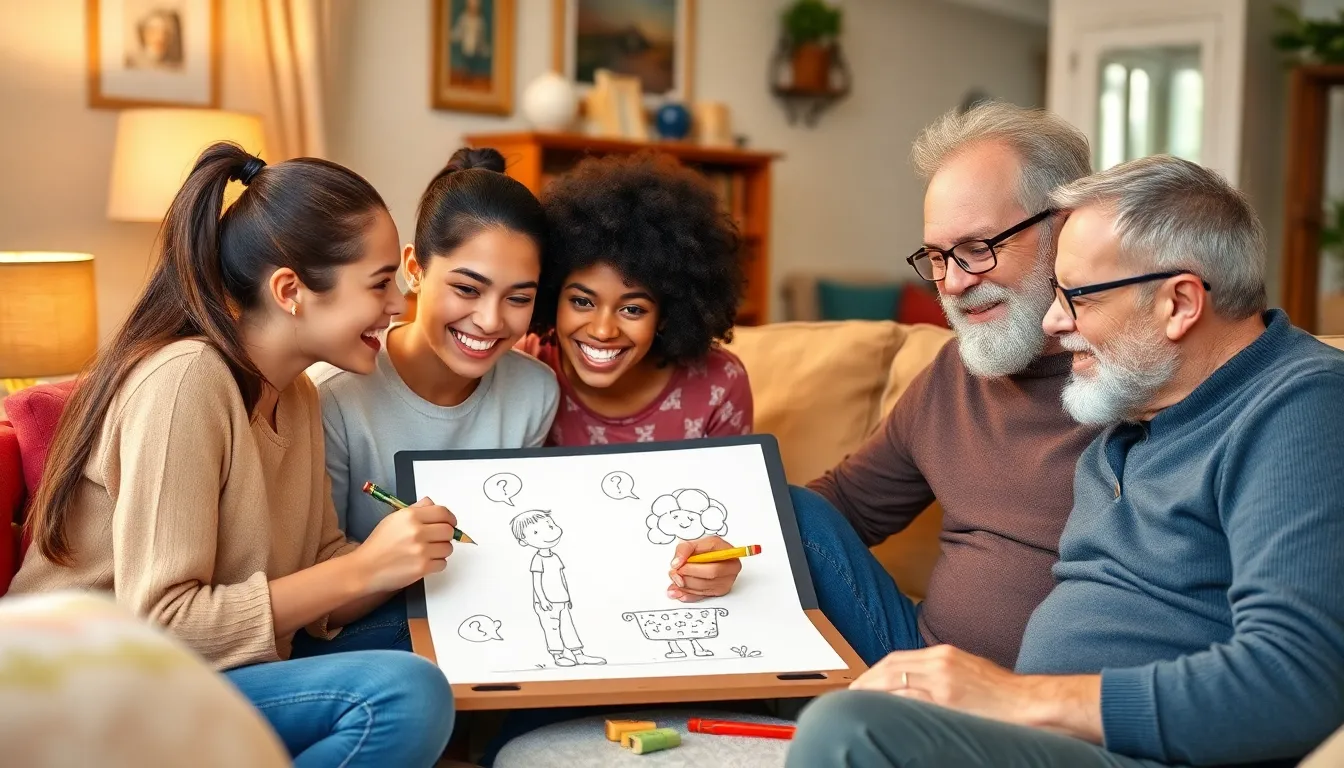
Families can enjoy these projects together. Group activities promote social skills through teamwork and collaboration. By sharing ideas and techniques, children learn from one another, fostering creativity.
Parents can provide guidance, explaining safety measures related to tools or materials. Teaching children to clean up after projects reinforces responsibility and organization.
Various themes and styles can inspire jewelry designs. Nature-based themes may utilize elements like flowers or leaves, while geometric designs might focus on shapes and patterns. Seasonal projects allow kids to create items that reflect holidays and celebrations.
DIY jewelry projects can also become gifts for friends and family. Personalizing gifts adds sentimental value, making them even more special. Through these experiences, children develop artistic expression, social interaction, and practical skills, all while having fun.
Popular Types of DIY Jewelry
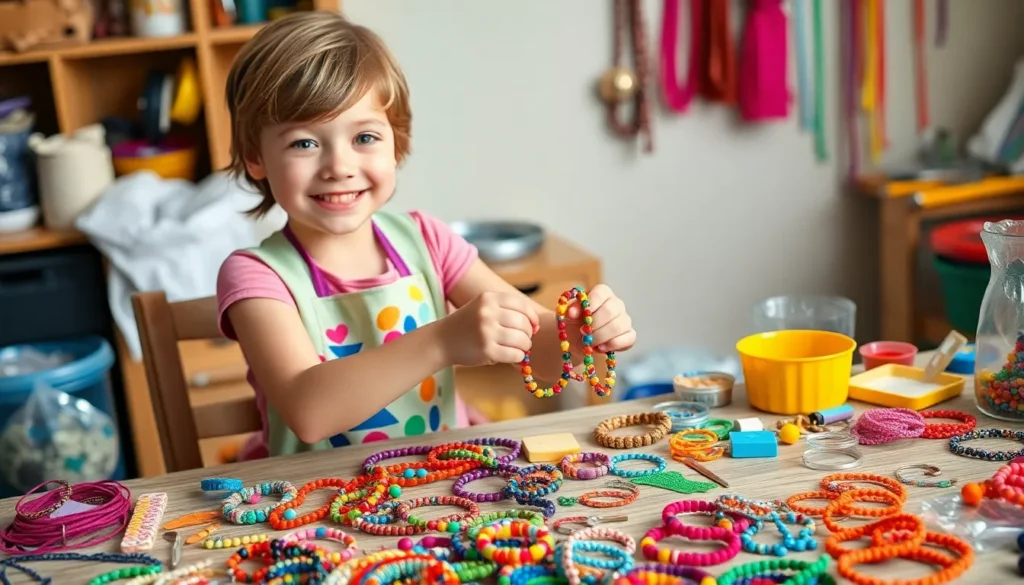
Creating DIY jewelry provides various fun ways for kids to express their creativity. Several popular types of projects use everyday materials to produce charming accessories.
Beaded Bracelets
Beaded bracelets appeal to children of all ages. Multiple colors and shapes allow for endless combinations. Kids can use elastic string to easily thread beads, promoting fine motor skills. Experimenting with patterns encourages creativity. Simple tools, like scissors and glue, add to the fun. Personalized designs can reflect individual styles, making each bracelet a unique treasure.
Friendship Necklaces
Friendship necklaces symbolize the bonds between friends. Using matching pendants or charms helps kids celebrate their relationships. They can craft one necklace while creating a complementary piece for their friend. Various designs, from simple beads to intricate patterns, suit every child’s skill level. Engaging in this project nurtures teamwork and collaboration. Sharing the finished accessories fosters a deeper connection between friends.
Hair Accessories
Hair accessories offer another exciting DIY jewelry option. Kids can create colorful clips and headbands using ribbons, beads, or fabric. Transforming these materials into fun designs sparks imagination. Simple clips can enhance casual hairstyles or brighten up special occasions. Crafting accessories promotes creative thinking while allowing kids to express their personality. These unique pieces can add flair to any outfit.
Benefits of DIY Jewelry for Kids
DIY jewelry projects provide children with opportunities to explore their creativity and enhance their skills in a fun, engaging manner.
Enhancing Creativity
Creating jewelry inspires kids to express ideas and imagination. Unique designs emerge when they combine various materials like beads, strings, and charms. Each project encourages inventive approaches, allowing children to formulate their artistic styles. Engaging in these creative activities often leads to increased self-esteem as they take pride in their creations. Crafting personal jewelry can also reflect their personalities, making each piece significant. Such projects promote a sense of individuality while providing a platform for imaginative expression.
Developing Fine Motor Skills
DIY jewelry projects significantly boost fine motor skills in children. Handling small components like beads supports hand-eye coordination and dexterity. Stringing beads requires precise movements, strengthening finger muscles while promoting control and concentration. These projects often involve tasks like tying knots and arranging patterns, further enhancing their manual abilities. As they complete various designs, children gain confidence in their skills. Observing progress fosters a sense of accomplishment, encouraging them to tackle more complex projects in the future. Overall, these activities provide practical skill development while being enjoyable.
Safety Considerations
Safety plays a crucial role in DIY jewelry projects for kids. Parents should supervise all activities to ensure a safe environment. Using age-appropriate materials helps reduce hazards. Avoiding small beads and components for younger children minimizes choking risks.
Implementing proper tools is essential. Scissors and pliers used in projects should be child-friendly and suitable for their age group. Clearly demonstrating how to use these tools can prevent accidents. Emphasizing hand hygiene adds another layer of safety, as children should wash their hands before starting and after handling materials.
Creating a designated workspace enhances safety. Choosing well-lit areas with adequate space helps avoid clutter and reduces the chance of accidents. Ensure that materials are kept organized, allowing kids to find what they need without risk.
Educating children about the importance of safety rules is vital. Explaining why certain precautions matter helps them understand and take responsibility during crafting. Encouraging open communication allows kids to voice concerns or ask questions about their projects.
Allergy awareness should also be a priority. Be cautious of materials that may cause allergic reactions, like some types of glues or beads. Checking ingredient labels promotes safer crafting experiences for all children.
Promoting a positive mindset towards safety during these projects enhances the overall experience. Reinforce that safety measures are designed to protect everyone involved. Keeping these considerations in mind ensures a fun and safe DIY jewelry experience for kids.
Materials You Need
Gathering the right materials sets the foundation for successful DIY jewelry projects. Kids can unleash their creativity using various items, enhancing their crafting experience.
Essential Tools
Scissors play a vital role in cutting strings or ribbons to the desired length. Round-nose pliers assist in closing loops on wire or attaching findings. Tweezers help pick up small beads, ensuring precision. A glue gun, used with adult supervision, can secure embellishments effectively. Lastly, a bead mat keeps materials organized, preventing beads from rolling away during crafting.
Types of Beads and Accessories
Beads come in various shapes, sizes, and materials, including plastic, wood, glass, and clay. These options allow for different design aesthetics and themes. Charms add personality, featuring designs like animals, stars, or initials, enhancing each piece. String materials, such as elastic cord or nylon thread, enable easy assembly and durability. Ribbons and fabric can be included for hair accessories, adding texture and versatility to creations.
Conclusion
DIY jewelry projects offer kids a fantastic way to explore their creativity while developing essential skills. These activities not only provide a fun outlet for self-expression but also build confidence and fine motor skills. As children design unique pieces, they learn the value of patience and teamwork, fostering social connections with peers.
With a variety of themes and materials available, each project can become a cherished keepsake or a thoughtful gift. By prioritizing safety and using appropriate tools, parents can ensure a positive crafting experience. Ultimately, DIY jewelry making is more than just a craft; it’s a journey that nurtures imagination and personal growth in children.