Tote bags are the unsung heroes of the accessory world. They’re not just for carrying groceries or laundry; they’re a canvas for creativity and a statement of style. Imagine strutting through town with a tote bag that screams “I’m eco-friendly and crafty!” It’s time to ditch the mundane and embrace the DIY spirit.
Overview of DIY Tote Bags
DIY tote bags offer endless possibilities for creativity and functionality. Many people enjoy personalizing their tote bags with unique designs, colors, and materials. Customization enhances the bag’s aesthetic appeal and allows individuals to express their personalities.
Crafting tote bags involves selecting materials such as canvas, cotton, or recycled fabric, each offering distinct advantages. For example, canvas provides durability and can withstand heavy loads, while cotton offers softness and versatility in printing designs.
Several techniques exist for making DIY tote bags, including sewing, fabric glue, and embroidery. Sewing yields sturdy, long-lasting bags, whereas fabric glue presents an accessible option for beginners. Embroidery adds a layer of artistry but requires more skill and time.
Multiple projects can inspire DIY tote bags. Ideas can range from simple grocery bags to intricate, multi-pocket designs. Using stencils or stamps allows for intricate patterns, making it easy to transform a plain tote into a statement piece.
Sustainability plays a key role in the appeal of DIY tote bags. By upcycling old clothing or fabric scraps, individuals contribute to reducing waste and promoting eco-friendly practices. As a result, these tote bags not only serve functional purposes but also align with a more sustainable lifestyle.
Overall, DIY tote bags provide a practical outlet for creativity, giving people the chance to develop custom, stylish solutions for everyday needs. They serve as a canvas for personal expression while promoting sustainable practices, making them an invaluable addition to modern living.
Materials Needed for DIY Tote Bags
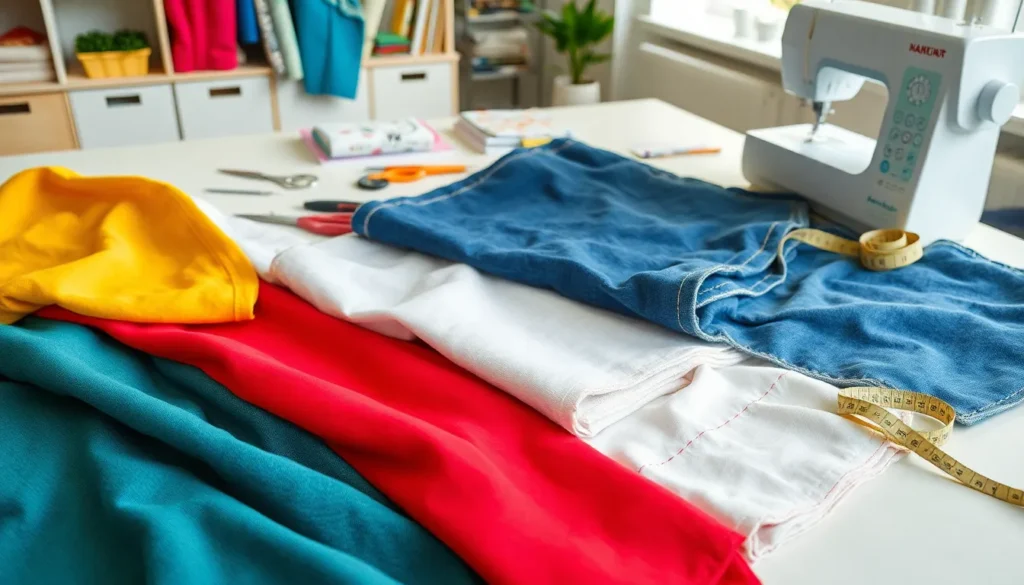
Crafting a DIY tote bag requires selecting the right materials to ensure durability and style. The following sections detail crucial fabric choices and essential tools.
Fabric Choices
Canvas stands out for its strength and versatility. It holds shape well, making it ideal for a range of tote bag designs. Cotton offers softness and is easy to work with, providing a comfortable touch. Denim, known for its robustness, adds a stylish element to any creation. Recycled materials, such as old T-shirts, support eco-friendliness and uniqueness in design. Each fabric choice brings something special, allowing crafters to tailor their tote bags to their preferences and needs.
Essential Tools
A sewing machine simplifies the sewing process, making it quicker and more efficient. Fabric scissors ensure precise cuts, while pins hold the pieces in place during assembly. A measuring tape helps maintain accuracy in dimensions. For those who prefer a no-sew approach, fabric glue offers an alternative method of securing elements together. Ironing tools can press seams flat, enhancing the overall finish of the tote bag. Each tool plays a vital role in the successful crafting of a DIY tote bag, ensuring efficiency and quality in the final product.
Step-by-Step Guide to Creating DIY Tote Bags
Creating DIY tote bags involves a few simple techniques that allow for personalization and creativity. Follow these steps to craft unique and functional bags.
Basic Tote Bag Tutorial
For beginners, a basic tote bag tutorial provides straightforward instructions. Start with a rectangular piece of fabric measuring 22 inches by 15 inches. Fold the fabric in half, aligning the edges. Sew along the open sides, leaving the top edge open. Next, cut two strips of fabric, each 22 inches by 2 inches, for the straps. Attach the straps by sewing them securely to the inside of the bag’s open edge. Turn the bag right-side out, and it’s ready for use. This simple design offers endless customization options with fabric choice and embellishments.
Advanced Design Techniques
Advanced design techniques elevate the DIY tote bag experience. Consider adding pockets or linings for extra functionality. Use contrasting fabric for a stylish lining. Cut pocket pieces measuring 6 inches by 8 inches, sew them onto the outer fabric before assembling the bag. Experiment with embroidery or fabric paint for unique designs. Adding a closure, like a button or magnetic snap, enhances usability. Incorporating patches or decorative stitching can create a personalized touch. These techniques transform a basic tote into a standout accessory.
Customization Ideas for DIY Tote Bags
Personalizing tote bags adds flair and individuality. Various methods exist to enhance these practical items.
Painting and Stenciling
Painting or stenciling offers a simple way to create eye-catching designs. Acrylic paint works well on fabric, allowing vibrant colors to stand out. Using stencils ensures clean shapes and patterns. Many crafters enjoy experimenting with different techniques, from brush strokes to sponge stamping. Layering colors can add depth and interest. To preserve the artwork, applying a fabric sealant is advisable after the paint dries. Keep in mind that allowing the paint to cure properly extends the tote bag’s lifespan. Various designs can cater to individual preferences, ranging from floral motifs to geometric patterns.
Adding Pockets and Embellishments
Incorporating pockets transforms functional tote bags into versatile accessories. Interior pockets provide spaces for small items like keys or phones, keeping them secure and accessible. Exterior pockets can serve decorative purposes while adding practicality. Many crafters choose materials like contrasting fabric or mesh for pocket styles. Adding embellishments like buttons, trims, or patches enhances the visual appeal. These features allow individuals to express their unique personality. Combining different fabrics and textures can create an interesting dynamic. Each customization elevates the tote bag from simple to stylish, making it a standout piece.
Benefits of Making Your Own Tote Bags
Making DIY tote bags offers numerous benefits. Creativity flourishes when individuals personalize their bags with unique designs, colors, and materials. Moreover, crafting tote bags enhances personal expression, allowing crafters to showcase their style and preferences.
Cost efficiency is another significant advantage. Store-bought tote bags often come with a high price tag. In contrast, creating one’s own bags using affordable materials can save money while producing a one-of-a-kind product.
Sustainability plays a crucial role in DIY tote bags. By upcycling fabrics and materials, individuals contribute to reducing waste and promoting eco-friendly practices. Using items like old jeans or unused fabric scraps significantly minimizes the environmental footprint.
Quality stands out in handmade items. A DIY approach allows for careful selection of materials, ensuring durability and functionality. Tote bags crafted from strong fabrics, such as canvas or denim, last longer than cheaper, mass-produced alternatives.
Versatility is inherent in tote bags. They serve various purposes, from grocery shopping to beach outings or daily commutes. Customizable features like pockets and closures enhance their practicality, making them suitable for any occasion.
Lastly, the crafting process fosters a sense of accomplishment. Completing a DIY project brings satisfaction. This rewarding experience not only results in a stylish accessory but also encourages more crafting adventures in the future.
Conclusion
DIY tote bags represent a unique blend of creativity and practicality. They offer individuals the chance to express their personal style while contributing to a more sustainable lifestyle. By exploring various materials and techniques, anyone can craft a tote bag that suits their needs and reflects their personality.
Whether it’s a simple grocery bag or a more intricate design, the possibilities are endless. Embracing the DIY approach not only enhances one’s crafting skills but also fosters a sense of accomplishment. With each tote bag made, individuals take a step towards reducing waste and promoting eco-friendly practices. Ultimately, DIY tote bags are more than just functional items; they’re a canvas for self-expression and a commitment to sustainability.