Meal planning might sound like a chore, but it’s really the secret weapon of kitchen warriors everywhere. Imagine strutting into your kitchen with a game plan that leaves takeout menus collecting dust. With a solid routine for planning meals, he or she can save time, money, and sanity—while impressing friends with culinary prowess.
Table of Contents
ToggleImportance of a Routine for Planning Meals
A routine for planning meals brings numerous advantages to individuals and families. Establishing this routine enhances time management, enabling people to allocate specific hours each week for meal preparation and grocery shopping. This structured approach reduces the likelihood of last-minute decisions that lead to unhealthy eating choices.
Consistency plays a critical role in budgeting. Meal planning promotes making cost-effective decisions when purchasing ingredients. Individuals can avoid impulse buys by adhering to a predetermined grocery list, which significantly lowers food expenses.
Reducing stress is another noteworthy benefit. By knowing what meals to prepare, individuals experience less anxiety throughout the week. Improved mental clarity arises from having a clear plan, allowing for more focus on other tasks or responsibilities.
Health also sees improvement through routine meal planning. Individuals become more mindful of nutrition and portion control when they prepare meals in advance. With the right ingredients on hand, they are less likely to opt for processed or convenience foods.
Time savings contribute significantly to overall life satisfaction. With effective meal planning, individuals can cook in bulk or batch prepare meals, sparing them the need to cook every day. This efficiency translates to more time for leisure activities or family engagements.
Lastly, honing cooking skills becomes more achievable with a set routine. Regularly following recipes and experimenting with new ingredients fosters culinary confidence. As a result, individuals may enjoy cooking more and diversify their diet.
Steps to Create an Effective Meal Planning Routine
Creating a meal planning routine requires a few strategic steps to optimize health and efficiency.
Assessing Your Dietary Needs
Start by identifying individual dietary requirements. Factors such as age, weight, activity level, and health goals influence nutritional needs. For example, someone aiming to lose weight may focus on lower-calorie foods. Consider food allergies or intolerances that could affect meal choices. It’s important to stay mindful of macronutrient distribution, which includes proteins, fats, and carbohydrates. Reviewing these aspects allows for tailored meal plans that support overall well-being. Gathering this information enables better decisions while planning meals and shopping.
Setting Realistic Goals
Establishing achievable goals is crucial for meal planning success. Begin with weekly objectives rather than overwhelming month-long expectations. For instance, planning three dinners per week makes the task less daunting. Focus on including a variety of food groups to maintain balanced nutrition. Gradually increasing meal plan complexity promotes longevity and keeps meals exciting. Setting aside specific times each week for menu creation assists in maintaining consistency. Developing a habit around planning leads to long-term success in food preparation and healthier eating patterns.
Tools and Resources for Meal Planning
Utilizing effective tools and resources streamlines the meal planning process. Significant improvements in organization and efficiency arise from digital apps and printable planners.
Apps and Software
Numerous apps simplify meal planning for individuals. Tools such as Mealime and Paprika organize recipes, create grocery lists, and allow users to track their meals effectively. Meal planning becomes interactive with features like recipe suggestions based on dietary preferences or ingredients on hand. Several apps also incorporate nutritional insights, helping users make informed food choices while aligning with health goals. Integration with calendars ensures users never miss meal prep days.
Printable Meal Planners
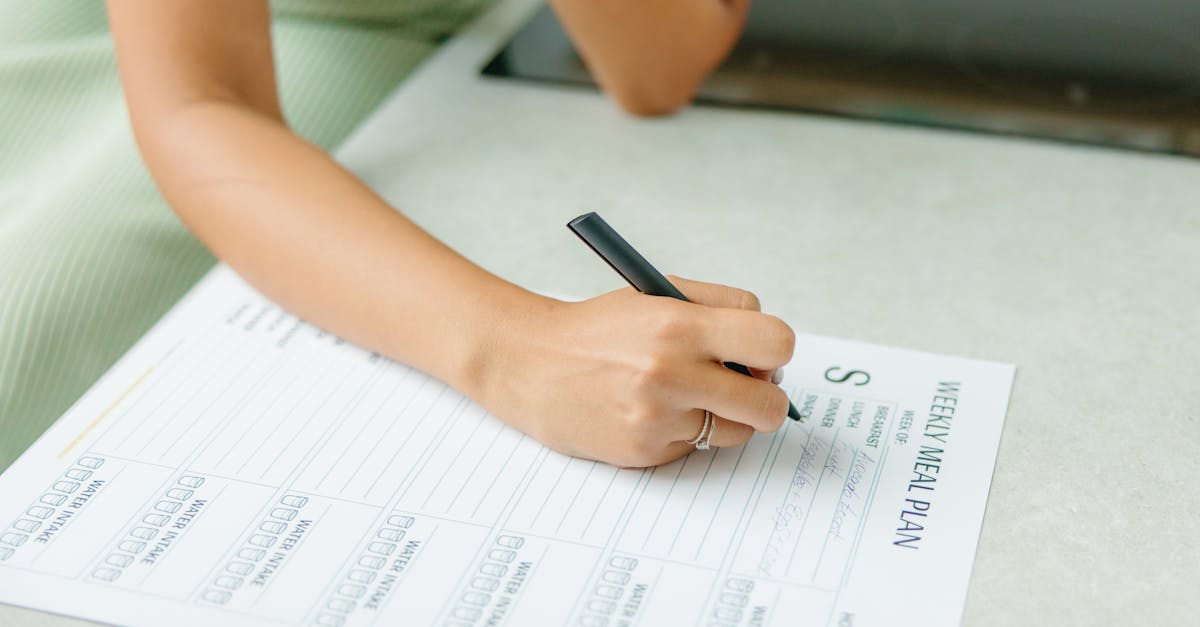
Printable meal planners offer a tangible way to organize meals and grocery lists. These templates allow individuals to jot down weekly meal ideas and track their inventory, ensuring efficient grocery shopping. Many planners include space for notes, aiding in tracking leftover ingredients. Offering flexibility, users can customize planners to fit their schedules and preferences. Selecting a layout that visually aligns with one’s routine enhances usability and fosters accountability in meal planning.
Tips for Maintaining Your Meal Planning Routine
Consistency is key in maintaining a meal planning routine. Implementing effective strategies can streamline the process, allowing for a smoother cooking experience.
Time-Saving Strategies
Utilize grocery delivery services to eliminate time spent shopping. Streamlining lists by organizing them according to store layout saves additional minutes while shopping. Preparing breakfast options in advance helps start mornings swiftly. Designating one day for meal prep encourages focus and efficiency. Setting reminders can prompt timely planning sessions each week. Engaging family members in meal planning fosters inclusivity, making the process more enjoyable.
Batch Cooking and Prep Work
Batch cooking significantly reduces weekly meal preparation time. Preparing large portions of grains or proteins allows for versatile use throughout the week. Storing individual servings in containers simplifies reheating, making healthy choices convenient. Chopping vegetables ahead of time adds efficiency during cooking sessions. Freezing extras extends the life of meals for future use. Reorganizing the fridge for easy access to prepped items encourages quick meal assembly.
Conclusion
Establishing a meal planning routine transforms the way individuals approach cooking and eating. It not only saves time and money but also fosters healthier eating habits and enhances culinary skills. By committing to a structured plan and utilizing helpful tools, anyone can streamline their meal preparation process.
Incorporating family members into this routine adds an element of fun and collaboration. With consistency and the right strategies, meal planning becomes an enjoyable and rewarding experience. Embracing this approach leads to a healthier lifestyle and greater confidence in the kitchen, making it easier to create delicious meals that everyone can enjoy.